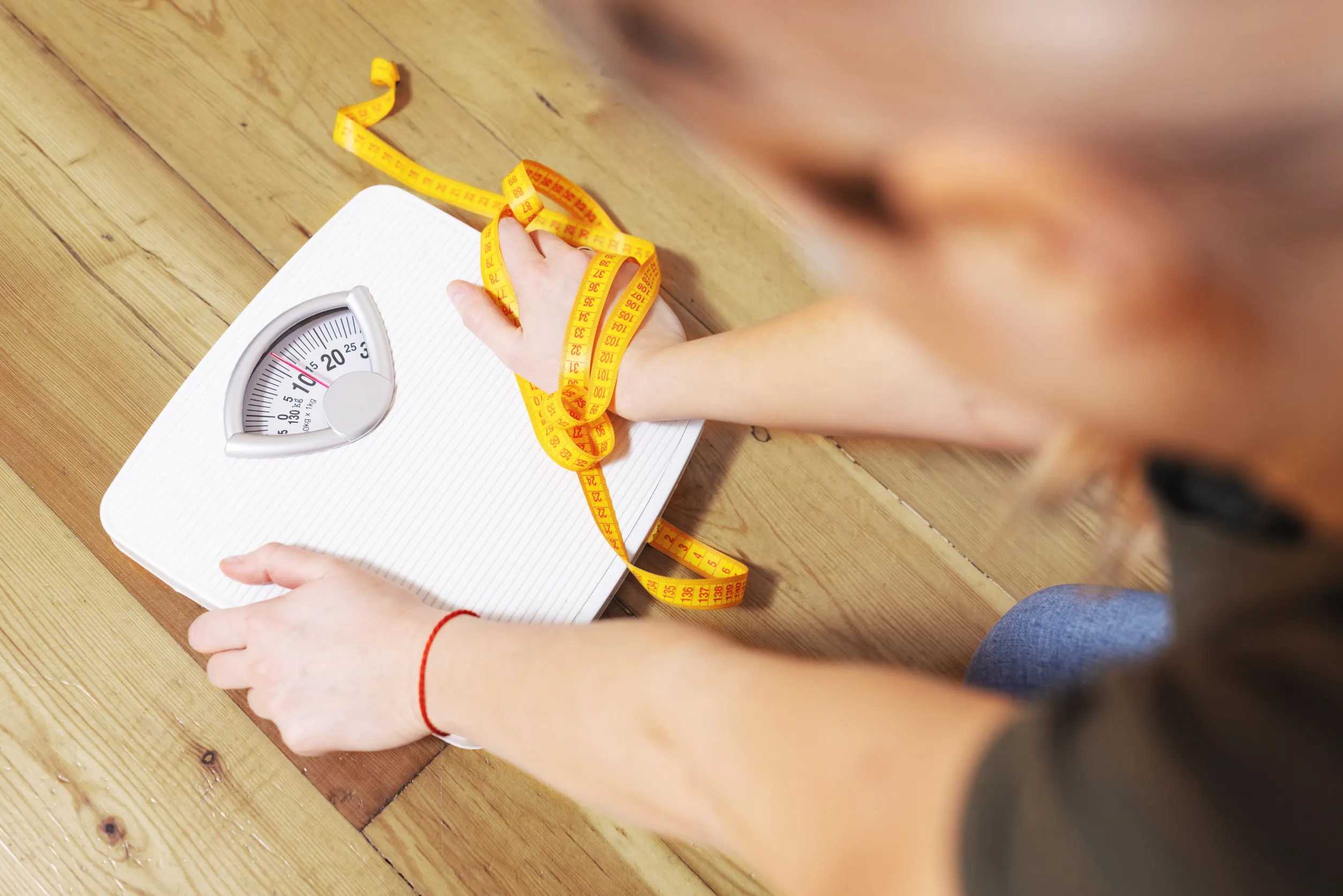
When most people think about weight loss, they often focus on appearance, aiming to fit into smaller clothes, look toned, or feel more confident when taking photos. All goals are valid, but weight matters for far more than just aesthetics. It improves energy levels, lowers the risk of chronic diseases, and enhances quality of life.
Simply put, achieving and maintaining a healthy weight leads to overall wellness, and is especially important during key stages of a woman’s life, such as before and after pregnancy, perimenopause, and menopause.
Yet, even if you work out multiple times a week or cut calories, the results might still be frustrating. Why? Because weight loss is not just about willpower. Your hormones play a major role.
Let’s explore the science behind losing weight, the hormones that impact your progress, and how approaches like holistic medicine in St. Louis, MO, can help restore balance.
What It Means To “Lose Weight”
Weight loss is the decrease in your body weight, which is a combination of water, stored carbohydrates, protein, and fat. It differs from fat loss, focusing solely on reducing your body fat.
Generally, weight loss happens in two stages:
- Stage 1: Rapid Weight Loss. During the first few weeks, you may notice the most significant drop in numbers on the scale. This phase is often due to water loss as your body burns through stored carbohydrates.
- Stage 2: Slow Weight Loss. After the initial weeks, progress tends to slow down. At this point, you are mostly losing fat rather than water. Your metabolism adapts to your new weight, lowering the number of calories burned even during exercise.
Hormones That Affect Your Weight
Many factors contribute to a person’s weight. Diet and exercise are critical, but there are influences we cannot always see, such as hormones.
Hormones are chemical messengers that facilitate processes in the body. What are some of the hormones that guide your weight?
Insulin
Insulin helps move glucose from food into your muscles, liver, and fat cells for energy or storage. Consistently high insulin levels, often due to excess sugar intake, promote fat storage.
Leptin
Also called the “satiety hormone,” leptin signals your brain about your fat stores. When you gain weight, leptin levels rise, reducing appetite and encouraging your body to burn more energy. When you lose weight, leptin levels fall, increasing appetite and slowing metabolism.
Ghrelin
Ghrelin is essentially leptin’s opposite. It is your hunger hormone, telling your brain when your stomach is empty. Ghrelin levels spike before meals and drop afterward. Chronic dieting can sometimes raise ghrelin levels.
Cortisol
Nicknamed the “stress hormone,” cortisol is released by your adrenal glands during stressful situations. While short bursts are normal, chronic stress leads to elevated cortisol levels, increased appetite, and fat accumulation, especially in the abdominal area.
GLP-1 (Glucagon-Like Peptide 1)
The intestine releases GLP-1 after eating. The hormone promotes feelings of fullness, regulates blood sugar levels, and tells your body to stop eating. Low GLP1 levels make it harder to feel satisfied after meals.
NPY (Neuropeptide Y)
NPY is produced in the brain and nervous system, boosting appetite and conserving energy during fasting or stress. Elevated NPY activity results in fat storage and increases the risk of metabolic syndrome.
Estrogen
This female hormone regulates reproductive, immune, skeletal, and vascular systems. Low estrogen levels, which can happen during menopause, are linked to changes in body fat distribution and an increased chance of developing chronic disease.
Testosterone
Though often considered a “male” hormone, women also produce testosterone in smaller amounts. It supports bone, breast, menstrual, and vaginal health, as well as fertility and sex drive. When women have too much testosterone, they may develop insulin resistance.
Progesterone
The hormone that prepares the uterus for pregnancy and supports early gestation is progesterone. While some believe progesterone causes weight gain, research is mixed. Hormonal shifts involving progesterone may influence water retention and appetite.
Thyroid Hormones
The thyroid produces hormones that regulate metabolism. When the thyroid is underactive (hypothyroidism), weight gain is common; when overactive (hyperthyroidism), weight loss may occur.
Hormones and Weight Loss
Weight regulation is complex. All your hormones work together to ensure you eat enough to survive, maintain a reasonable fat reserve, and avoid drastic weight swings. Hormones affect how many calories you burn, how hungry you feel, and how your body stores fat.
Hormonal imbalance, then, disrupts your metabolism, energy expenditure, and appetite control. Ultimately, it makes losing weight an uphill battle.
Balancing Hormones and a Healthy Weight Through Holistic Medicine
Weight loss programs for women usually involve eating healthy and exercising daily. However, there are many more strategies to include.
Holistic medicine in St. Louis, MO, offers a comprehensive way to address weight concerns. The approach pinpoints the root causes of your challenges, whether hormones or lifestyle.
At Vitality Medical and Wellness Consulting, we look at your body as a whole. We craft personalized nutrition and fitness plans and provide lifestyle coaching, highlighting women’s unique and evolving health needs.
- Before Getting Pregnant: Preparing your body for pregnancy sets the foundation for your journey to motherhood. Our weight loss plans focus on nutrient-rich eating, sustainable lifestyle shifts, and targeted wellness.
- After Childbirth: The postpartum stage brings new responsibilities. We help you safely shed pregnancy weight without compromising your energy. With custom meal plans, gentle yet effective exercise routines, and ongoing support, you regain strength, confidence, and vitality for yourself and your growing family.
- Perimenopause and Menopause: Hormonal changes during these transitions are a big deal. Are you managing symptoms or seeking to prevent unwanted gains? We guide you toward a healthy weight and vibrant well-being.
Meet Your Weight Loss Doctor Online in St. Louis, MO
Vitality Medical and Wellness Consulting is a concierge primary care medical clinic in St. Louis, MO, also specializing in sustainable, science-based weight loss programs. Our women-focused programs combine medical expertise with personalized care.
Are you ready to learn from a weight loss doctor online in St. Louis, MO? Call (314) 695-8525 or fill out our contact form today to schedule a consultation. We’re eager to assess your needs, listen to your goals, and embark on your health journey with you.